
Understanding Hard Drives: The Backbone of Data Storage
Explore the technology, types, and future of hard disk drives (HDDs)
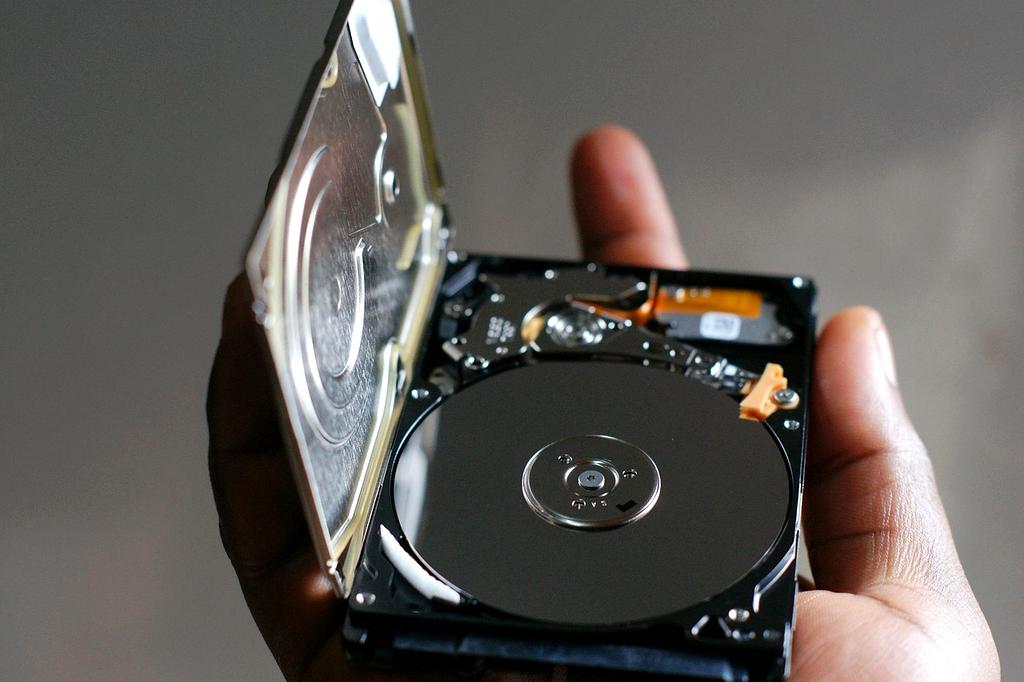
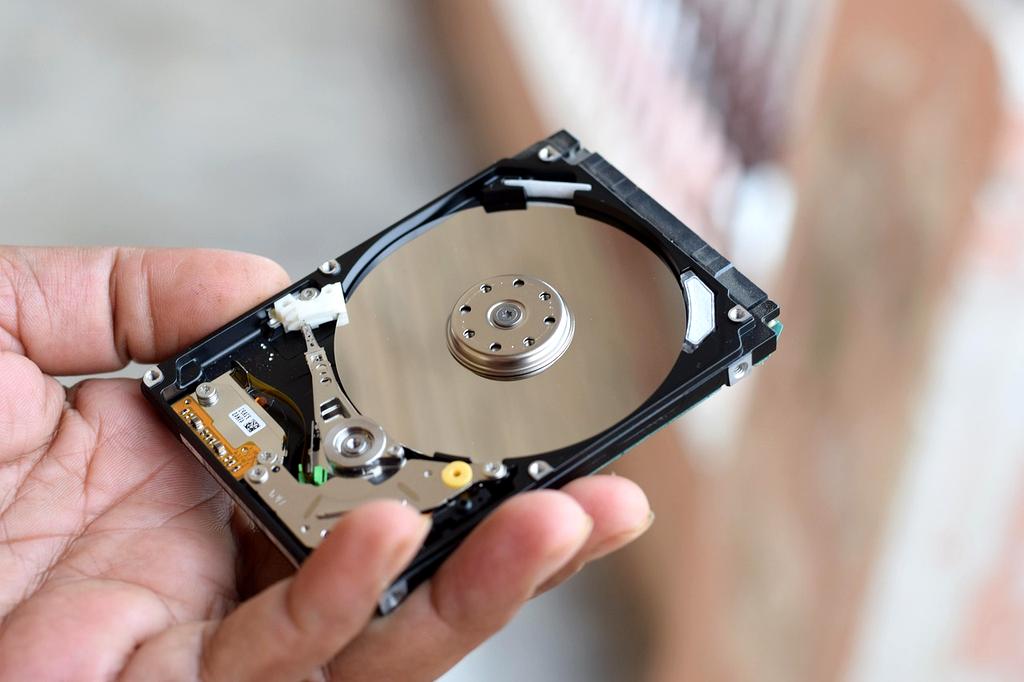
Hard drives (HDDs) have been a fundamental technology in data storage for decades, providing high-capacity storage solutions for personal computers, servers, and enterprise systems. At their core, HDDs use spinning magnetic platters to store data, with read/write heads moving rapidly over the surface to access or save information. Despite the growing popularity of solid-state drives (SSDs), hard drives remain relevant due to their cost-effectiveness for large storage needs.
How Hard Drives Work
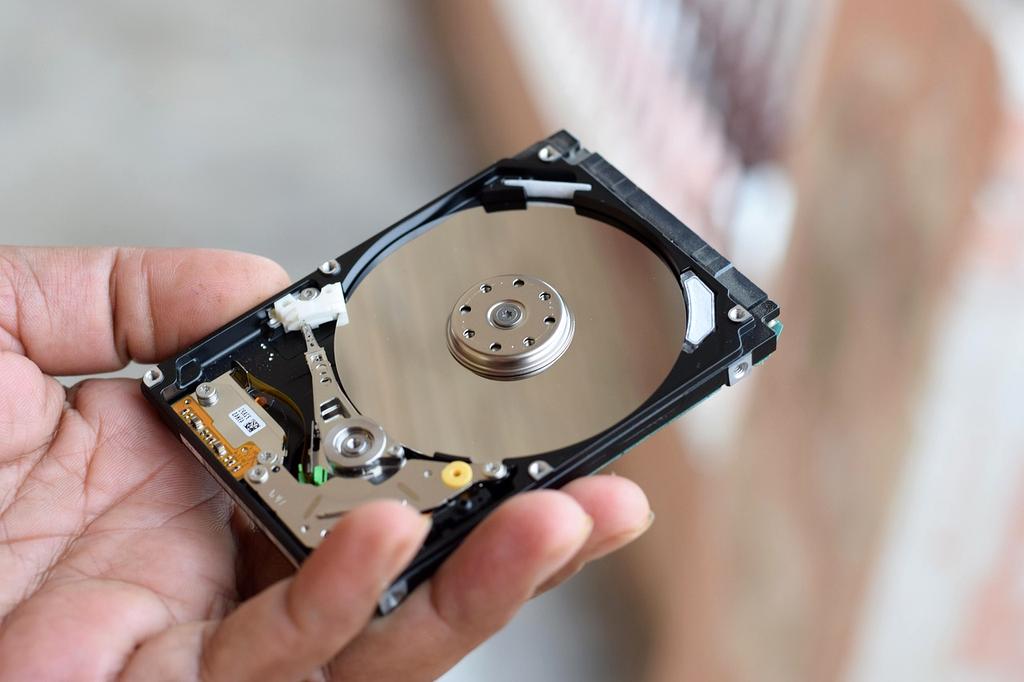
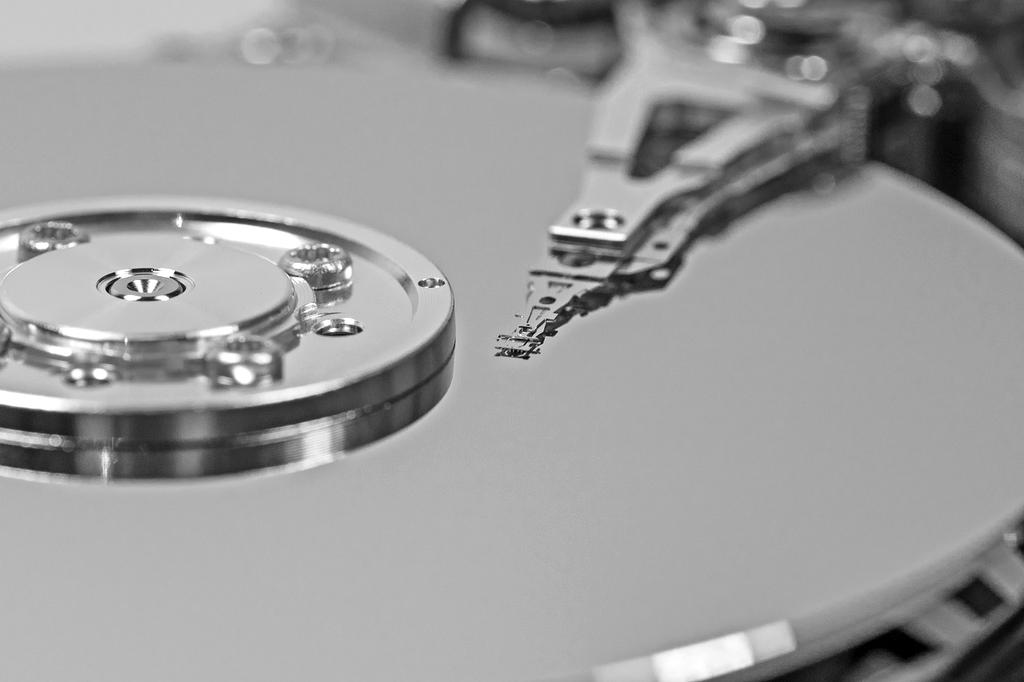
Data is recorded magnetically on rapidly spinning platters. The read/write head floats just nanometers above the platter surface, reading or writing bits as the platter spins at speeds usually ranging between 5,400 and 15,000 RPM. This mechanical nature defines the performance characteristics of HDDs, affecting latency and throughput.
Types of Hard Drives
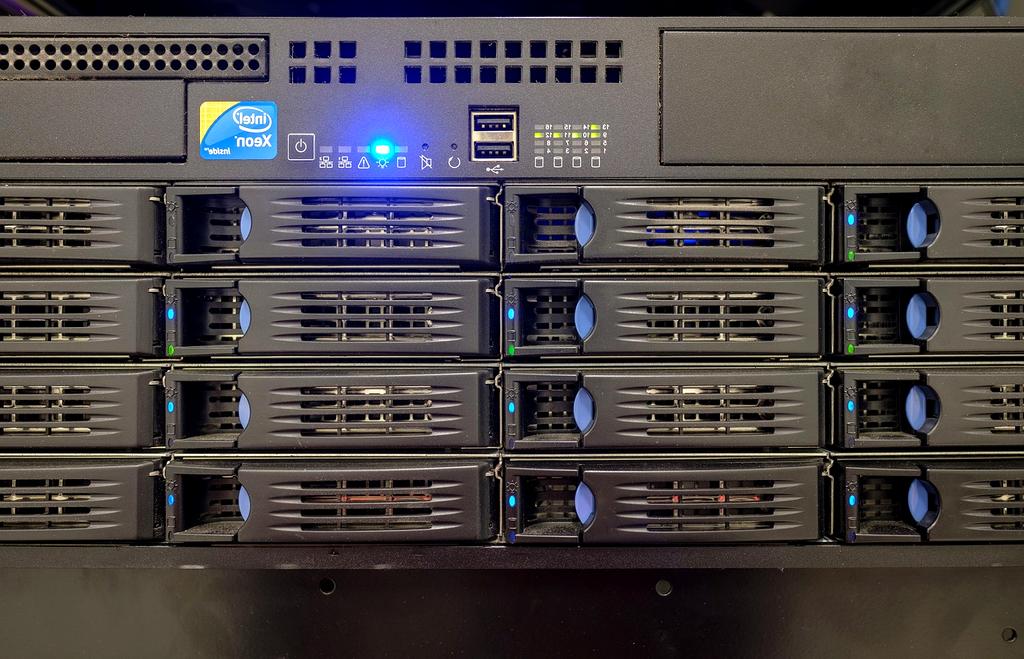
HDDs come in various form factors, including 3.5-inch drives for desktops and servers, and 2.5-inch drives commonly used in laptops. Advanced enterprise HDDs feature specialized mechanisms and firmware to optimize reliability, performance, and error correction, ensuring data integrity in critical environments.

While SSDs offer superior speed by leveraging flash memory, hard drives excel in cost per gigabyte and storage capacity. They are often preferred for bulk archival storage, backups, and scenarios where sequential data access is predominant.
Advantages of Hard Drives
- Lower cost per gigabyte compared to SSDs
- High storage capacities up to 20TB and beyond
- Durable for continuous large data writes
Challenges and Limitations
- Slower random access speeds than SSDs
- Mechanical parts are susceptible to wear and shock
- Higher power consumption and noise
Emerging technologies like helium-filled drives and heat-assisted magnetic recording (HAMR) are pushing the limits of HDD capacity and reliability. As hybrid storage architectures gain popularity, leveraging both HDDs and SSDs provides a balanced approach to performance and capacity.
Connect with Storage Experts
Get personalized recommendations for your data infrastructure needs from our quantum storage specialists

Enterprise Security
Military-grade encryption and zero-trust architecture protecting your sensitive data
Peak Performance
Achieve 10x faster data processing with our quantum-optimized storage solutions

24/7 Expert Support
Round-the-clock technical assistance from certified storage engineers
 ISO 27001 Certified
 Tech Innovation Award 2025
 200+ Global Partners